Home/Cladding removal
We strip the danger off your façade.
Aluminium composite panel with a polyethylene core is solid fuel, fixed to the outside of your building. We take it off, panel by panel, on occupied buildings, with every step documented to the standard a regulator expects.
01, The threat
Why this cladding has to come off.
PE-core ACP isn't cladding with a flaw. It's fuel with a finish.
Aluminium composite panel is two thin aluminium skins bonded to a core. Where that core is polyethylene, the panel stops behaving like a building product the moment fire reaches it. The aluminium fails early; the core melts, burns and drips, and flame races up the face of the building far faster than fire can spread inside it. Vertical fire spread over the façade is the signature failure, and it bypasses every internal fire compartment the building was designed around.
That is the failure mode the world watched at Lacrosse in Melbourne in 2014 and at Grenfell in London in 2017. Fire that should have stayed in one apartment used the façade as a chimney, re-entering the building floor by floor. It is the reason combustibility is tested under AS 1530.1, why façade fire propagation is assessed under AS 5113, and why so many Victorian buildings cannot satisfy the National Construction Code's Deemed-to-Satisfy provisions as they stand.
ACP is not the whole problem. EPS render systems wrap buildings in expanded polystyrene beneath a thin coat of render, the combustible material is the wall build-up itself. And behind the panels we routinely find the failures nobody priced: non-compliant fixings that were never tested as a system, and missing cavity barriers that should have stopped fire travelling inside the wall cavity. Removal is where all of it finally gets dealt with, properly, and on the record.
At Lacrosse, fire entered the cladding from a single balcony and ran the height of the tower in minutes. The building's compartmentation never had a say, the façade was the fuel.
Lacrosse, Melbourne, 2014PE-core ACP
Aluminium skins over a polyethylene core. In a fire the skins fail early and the core feeds the flame, driving rapid vertical spread across the face of the building.
EPS render systems
Expanded polystyrene beneath a thin render coat. Here the combustible material is the wall build-up itself, and it is often invisible until the façade is opened and tested.
Non-compliant fixings
Panels attached in ways that were never tested as a system. Fixings determine how a façade behaves in fire and wind, and how safely it can be taken apart.
Missing cavity barriers
The cavity behind cladding is a chimney unless it is barriered. We routinely open façades to find barriers absent, displaced or installed wrong, and we make that good before handover.
02, The process
What removal actually involves.
Removal is not demolition. It is the controlled deconstruction of a fire risk from a building that is still being used, sequenced, contained and documented from the first panel to the last. If the cladding on your building hasn't yet been formally identified, start with a compliance audit.
Access engineering
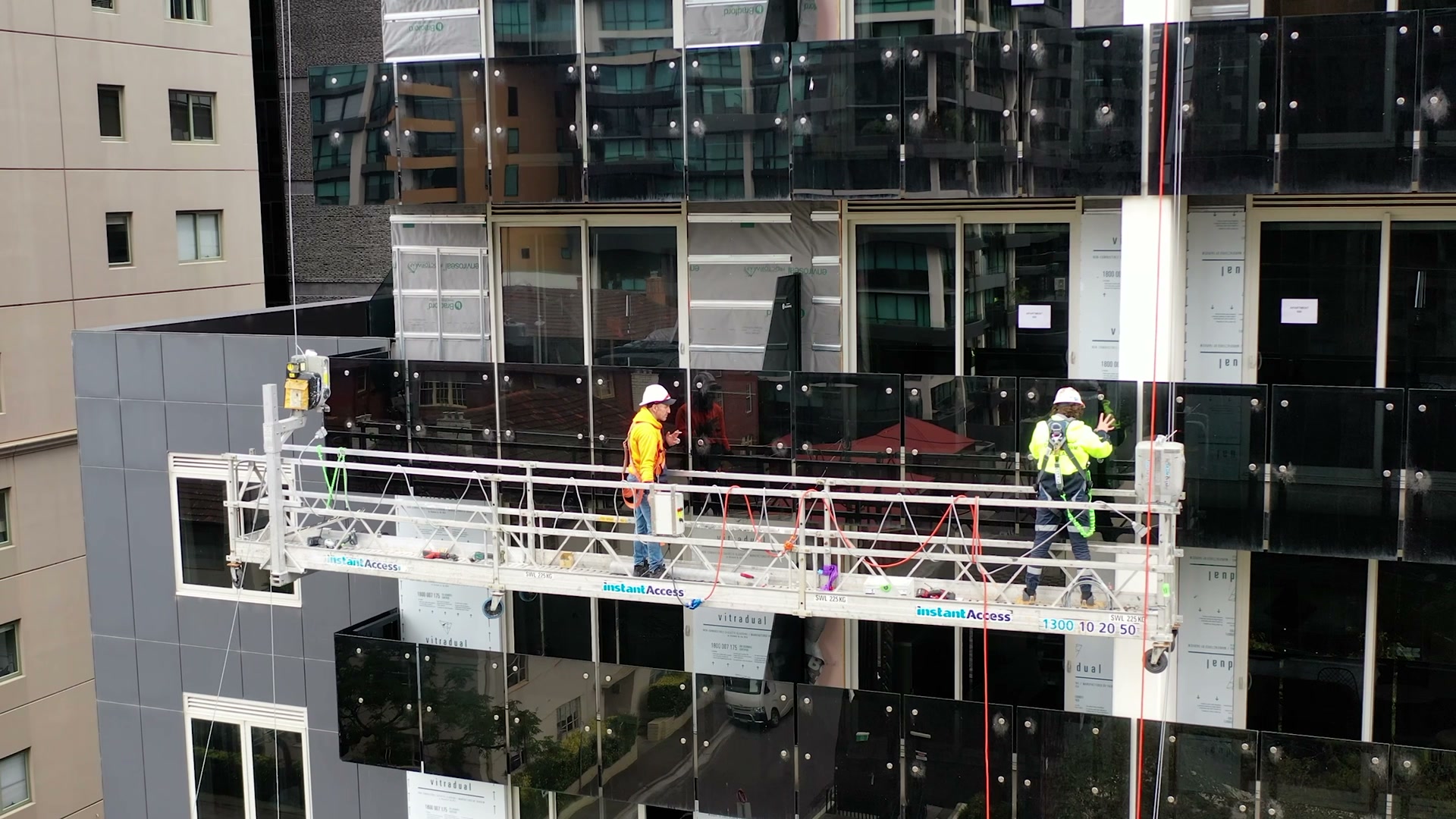
Swing stages, mast climbers or scaffold, selected for the building, not for our convenience. Access is engineered around how the building is used: entries kept open, fire egress never compromised, loads verified before anyone goes over the side.
Swing stages · mast climbers · scaffoldContainment & protection
Every panel that comes off exposes substrate to the weather. We weatherproof exposed substrate as we go and contain debris at the workface, the building stays sealed, the public stays separated from the works, and no more façade is open than can be properly protected.
Building stays weathertightSequenced panel removal
Panels come off in a planned sequence, each one identified, logged against its position on the façade, and consigned for documented disposal. No skip bins full of anonymous combustible waste. The record we build here becomes the audit trail you hand to your insurer.
Panel-by-panel recordSubstrate make-good
With the cladding off, we deal with what was hiding behind it: rails and framing rectified, sarking made good, cavity barriers installed where they were missing, so the wall the new system lands on is one a building surveyor can stand behind.
Rails · sarking · cavity barriersHandover
Removal hands over to what comes next: full façade replacement, or a Performance Solution where engineering evidence supports retaining parts of the system. Either way, you receive the removal record in full.
Replacement or Performance SolutionCompliance audit
Not sure exactly what is on your building? A compliance audit identifies the systems, the extent and the risk, and gives the removal programme something solid to be priced against.
After removalFaçade replacement
Removal opens the building; replacement makes it whole. Certified non-combustible systems, installed by the same accountable team that took the old façade off.
03, Occupied buildings
Your building stays open. We work around it.
Closing a commercial building for months is a cost most owners cannot wear, so we don't ask them to. Our removal programmes are built around occupation from day one, not adjusted for it after the contract is signed.
- Staged by floor and by elevation, the works move, the building keeps operating
- Out-of-hours options for the noisy or disruptive stages
- Tenant and owners corporation communications, scheduled, plain-spoken, ahead of time
- Weather management engineered into the sequence, not improvised on the day
This is not theory. We delivered the full Design & Construct recladding of Melbourne Water's Docklands headquarters while it operated as a working government headquarters, and replaced the façade of The Blackman Hotel in St Kilda while the hotel traded. Occupied buildings are not the exception in our work. They are the work.
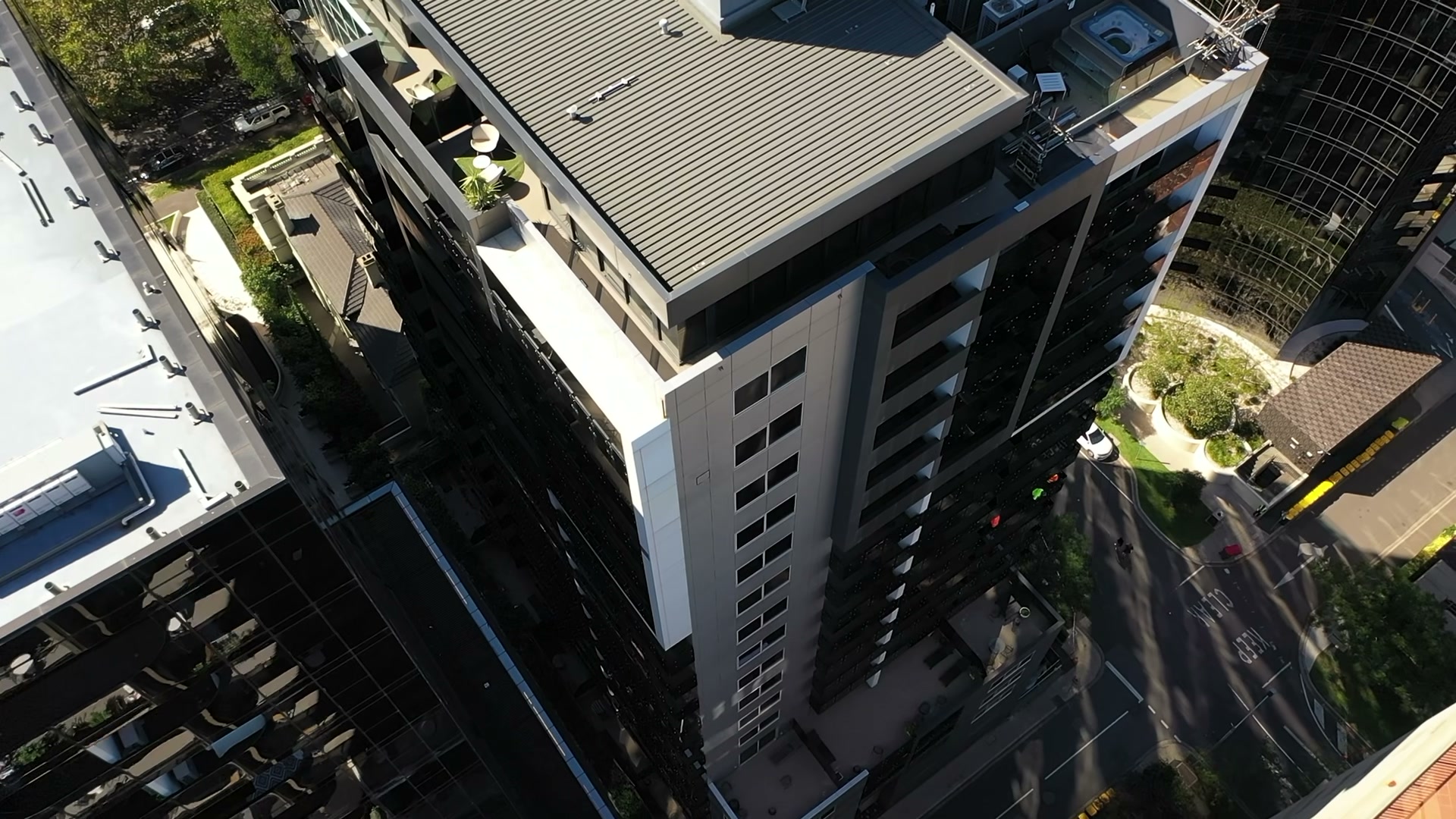 Live building · staged elevations
04, Disposal
Off the wall is not off your hands, until it's documented.
A PE-core panel is no less combustible stacked at ground level than it was on level twelve. Stacked, it is concentrated fuel. So disposal is treated as part of the remediation, not as rubbish removal: panels are consigned as tracked combustible waste, with documentation following every load off site. Nothing is reused. Nothing is resold. Nothing goes missing.
| Record | What it captures | Who relies on it |
|---|---|---|
| Panel register | Every panel logged against its elevation and position before it comes off | The removal programme, and anyone auditing it later |
| Material identification | The system and core type confirmed for each area of the façade | Building surveyor · fire engineer |
| Removal log | The sequence panels came off in, and the substrate condition found behind them | Replacement design · certification |
| Disposal documentation | Where each consignment of combustible waste went, tracked from gate to receipt | Owners corporation · insurer |
| Close-out pack | The complete panel-by-panel removal record, compiled for handover | Regulators · insurers · future purchasers |
05, Why specialist
Removal looks simple from the ground.
Plenty of builders can take panels off a wall. Very few can take combustible panels off an occupied tower with the access, containment and paper trail that Victorian regulators and insurers expect. We do not chase work outside our specialism, this is the specialism.
Generalist builder
- Cladding removal is one job among many, the learning curve happens on your building
- Access and weather protection priced thin, then varied when reality arrives
- Substrate surprises discovered mid-programme become delays and claims
- Documentation assembled after the fact, if it is assembled at all
- When the regulator or insurer asks questions, the paper trail runs out
Remediation specialist
- Unlimited commercial building licence obtained specifically for cladding remediation
- 12+ years doing nothing but façade remediation, 135 projects across Victoria
- The documentation regulators and insurers actually expect, built as the work happens
- Substrate conditions anticipated, not discovered, fewer surprises, fewer variations
- One accountable team from audit to removal to certification
06, Track record
135 projects across Victoria. Every one a remediation.
Commercial towers, occupied strata, mission-critical data centres, hospitals and campuses. We don't do other work, this is the discipline, and the numbers are the proof.
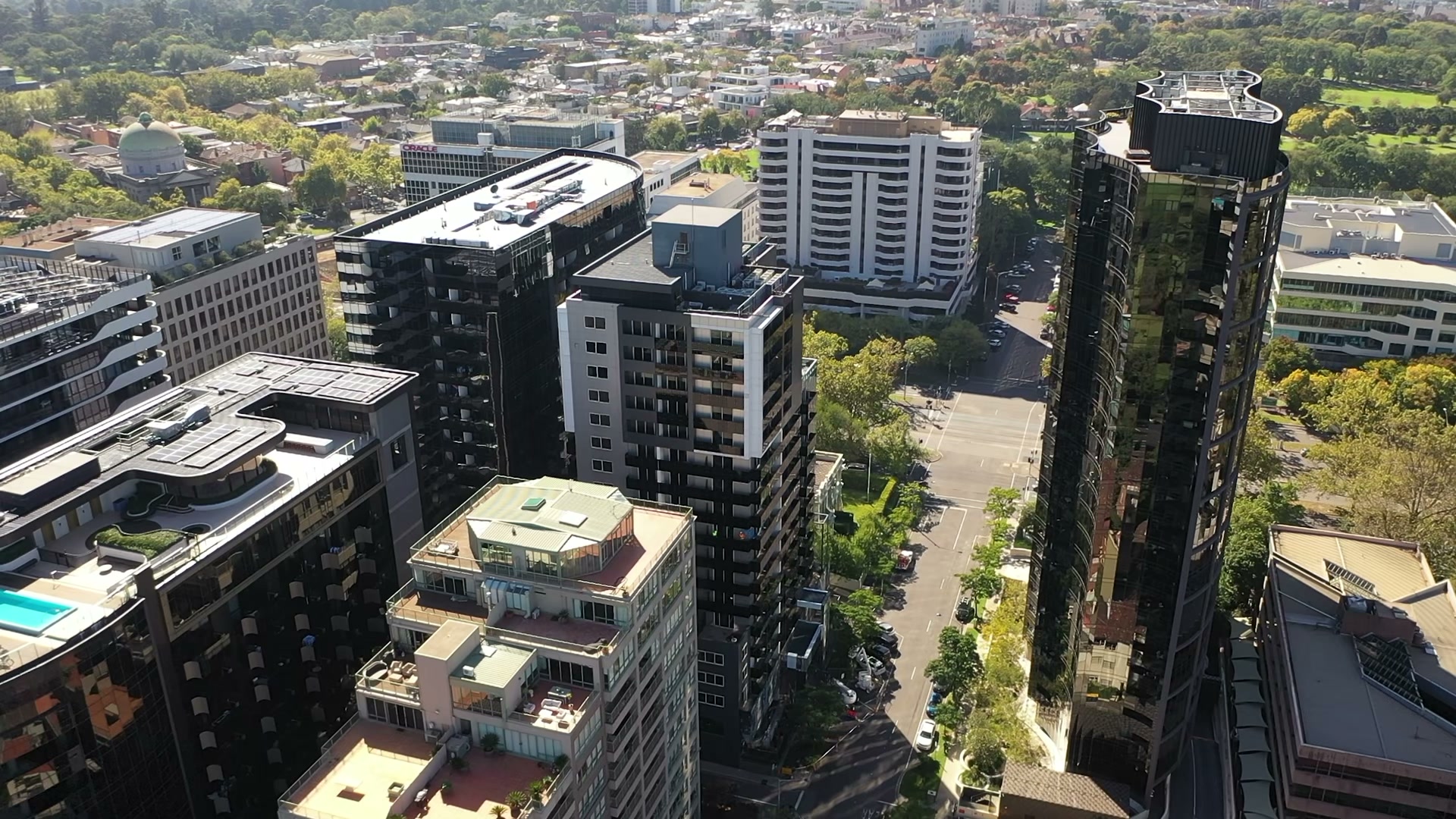 After removal & replacement, compliant, certified, insurable
07, FAQ
Straight answers on cladding removal.
The questions owners corporations, facility managers and building owners ask us most, answered the way we'd answer them across a table.